Tree Health
When to Prune Trees in Ontario: Oak Wilt and Timing
There is no single pruning month for every tree. Plan around the species, objective, condition, weather, wildlife, and oak wilt restrictions.
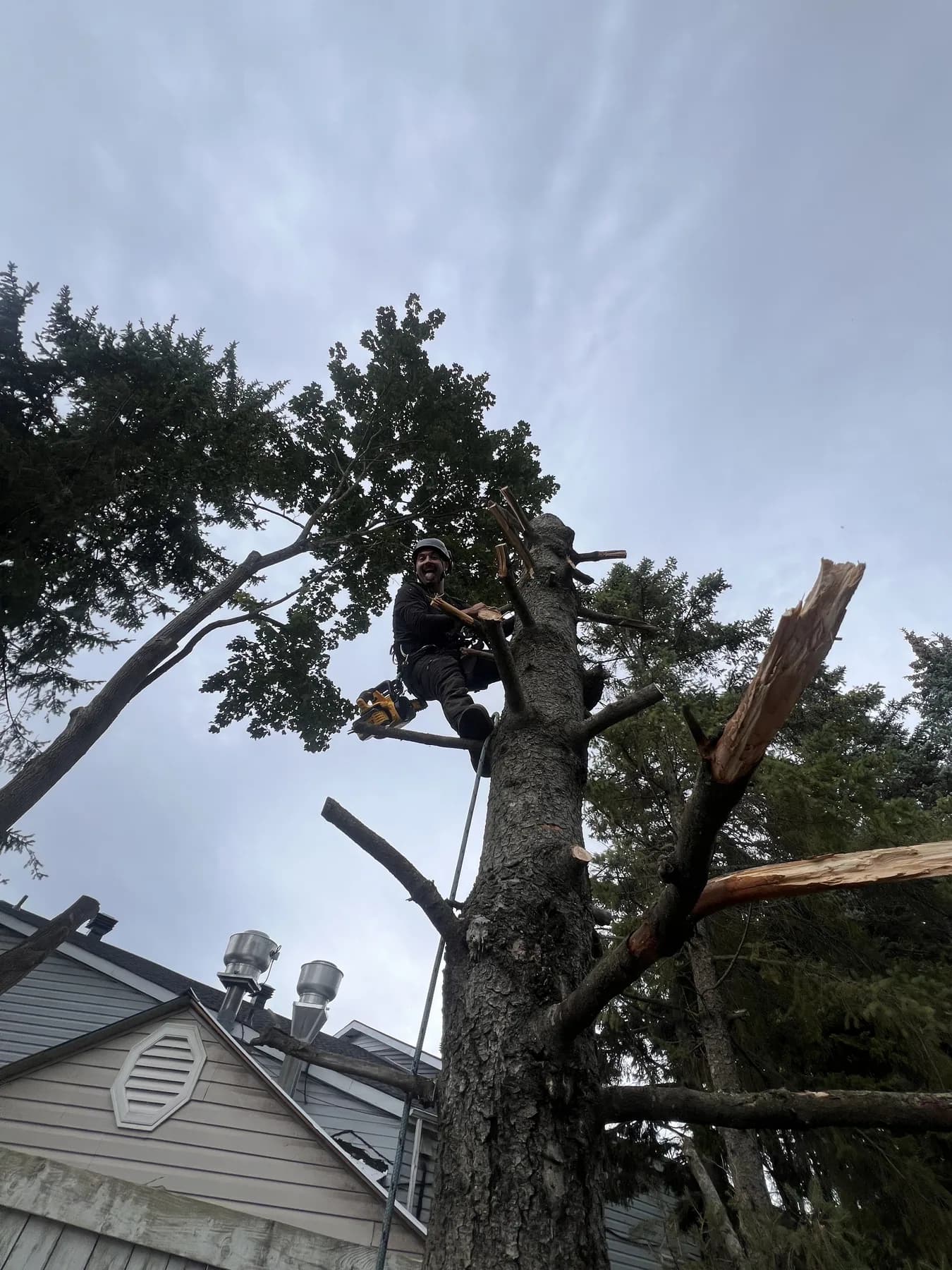
The useful answer is not a month. It is a sequence: identify the species, state why the tree needs pruning, check for active hazards, then choose timing that fits the tree and the work. Deadwood over a driveway, young-tree structure, roof clearance, and crown reduction are different jobs. They should not be booked under one universal seasonal rule.
Oak trees need extra care because fresh wounds can help oak wilt spread. The City of Ottawa tells residents not to prune oaks from April 1 through August 31. Ontario's broader oak wilt guidance says to avoid pruning or otherwise wounding oak trees from April through November when possible. If urgent work cannot wait, get current local guidance rather than treating a general calendar as permission to cut.
Start with the pruning objective
Before asking when to prune, decide what the work is meant to accomplish. A clear objective might be removing selected dead branches, improving the structure of a young tree, creating measured clearance from a roof, reducing a specific end-weight concern, or correcting damage after a failed limb. Each objective changes which branches matter and how much work belongs in the scope.
Avoid requests such as 'trim everything back' or 'take 30 percent off.' A percentage does not describe branch selection, retained form, clearance, or the reason for cutting. A useful quote names the tree, the target area, the objective, the access method, and what should remain when the work is finished.
Oak timing is a disease-prevention decision
Oak wilt is a serious vascular disease of oak trees. It can spread through connected roots and by sap beetles that visit fresh wounds. That is why official guidance focuses on avoiding unnecessary pruning and wounds while the insects that can carry the fungus are active.
The dates differ slightly because the sources serve different purposes. Ottawa's current municipal page says not to prune oak trees between April 1 and August 31. Ontario advises avoiding pruning or wounding oaks from April through November, and the Canadian Food Inspection Agency also tells people to avoid pruning during the risk period and to report suspected oak wilt. For an Ottawa property, do not shorten the broader precaution into a claim that September pruning is automatically suitable.
This article cannot confirm that a tree is an oak or diagnose oak wilt from a photograph. If species is uncertain, identify it before choosing timing. If an oak has fresh damage or possible symptoms, use the current government reporting and tree-health guidance rather than scheduling routine cuts first.
- Do not create avoidable wounds on an oak during the published risk period.
- Do not move potentially affected firewood unless current official guidance allows it.
- Do not treat leaf colour, branch decline, or a photo as a diagnosis.
- Check the live Ottawa, Ontario, and CFIA pages before acting because guidance can change.
Urgent damage does not follow a routine calendar
A split branch over an occupied space, storm damage, recent movement, or material touching electrical equipment is not an ordinary seasonal-pruning request. Keep people away and route the immediate concern first. Call 9-1-1 for injury, fire, a downed line, or immediate danger. Contact the electrical utility when wires are involved, and use 3-1-1 for a public route or a tree that may be municipal.
Urgency does not make every cut safe or authorized. The first step may be controlling access or making a limited area safe. Complete pruning, removal, debris handling, or restoration can be planned later when utilities, ownership, permits, equipment, and weather are clear.
Different trees and objectives have different windows
Dormancy can be useful for some planned structural work because branch form may be easier to see and some biological activity is lower. That does not make winter the answer for every species or every objective. Extreme cold, ice loading, poor access, active defects, flowering goals, sap flow, and the tree's response all affect the decision.
The season should never substitute for branch selection. A poorly chosen cut is still a poor cut in the preferred month. Topping, arbitrary height reduction, and removing too much live crown can damage structure and create weak regrowth regardless of timing. Ask why each major cut is proposed and what retained form is expected.
Check wires, wildlife, and access before choosing a date
Branches near electrical lines follow utility rules before private scheduling. In Ottawa, contact Hydro Ottawa when work may approach its lines. In Gatineau, use Hydro-Québec's tree-work route. A preferred pruning month does not authorize a person, tool, branch, rope, or lift to enter an electrical clearance area.
Active nests and wildlife can also change the plan. Do not disturb an occupied nest or rely on a quick ground-level glance as proof that none is present. Access matters too. Soft ground, snow banks, gardens, fences, roofs, traffic, and drop zones can change the equipment and protection needed for the same branches.
What to include in a pruning request
Send the address, tree location, safe wide photographs, and the result you want. Mention recent storm damage, hanging material, changes in lean, nearby wires, roofs, driveways, public sidewalks, and access limits. If the tree may be an oak, say so and ask how the proposed date fits current oak wilt guidance.
Ask for a written scope that identifies the tree, pruning objective, target branches or crown area, access method, cleanup, and exclusions. It should state whether brush is chipped and removed, larger wood is cut or hauled, and what happens if utility, wildlife, access, or condition changes are found on site.
- Species if known, without guessing when it is uncertain
- Reason for pruning and the specific target or clearance
- Safe photos showing the whole tree and surrounding access
- Known utility, municipal, permit, or wildlife constraints
- Cleanup and material handling expected in the quote
Frequently asked questions
What is the best month to prune trees in Ontario?
There is no universal best month. Species, pruning objective, condition, weather, wildlife, and local disease guidance all matter. Define the work first, then choose timing for that tree and objective.
When should oak trees be pruned in Ottawa?
The City of Ottawa says not to prune oaks between April 1 and August 31. Ontario's broader guidance says to avoid pruning or wounding oaks from April through November when possible. Check the current official pages and get advice for urgent damage rather than relying on an old calendar.
Can I prune a damaged branch during the oak wilt risk period?
Do not assume routine rules cover urgent damage. Keep away from unstable material and contact the appropriate utility or emergency service when needed. For an oak that requires urgent work, follow current local oak wilt guidance for the actual situation.
Does winter pruning work for every tree?
No. Dormancy can suit some objectives, but species, condition, weather, access, and the reason for pruning still control the decision. Winter does not make topping or excessive live-crown removal appropriate.
Can a photo identify oak wilt?
No. Photos can help describe a concern but cannot confirm species, internal condition, root connections, or a disease diagnosis. Use the CFIA and Ontario reporting guidance when oak wilt is suspected.
Sources
Rules and safety guidance can change. Check the current authority page before acting.
Send Hungry Beaver the tree location, safe photos, desired result, and any known oak, utility, wildlife, or access concern. We will confirm whether a quote or site visit is the next step.
Request a pruning estimate