
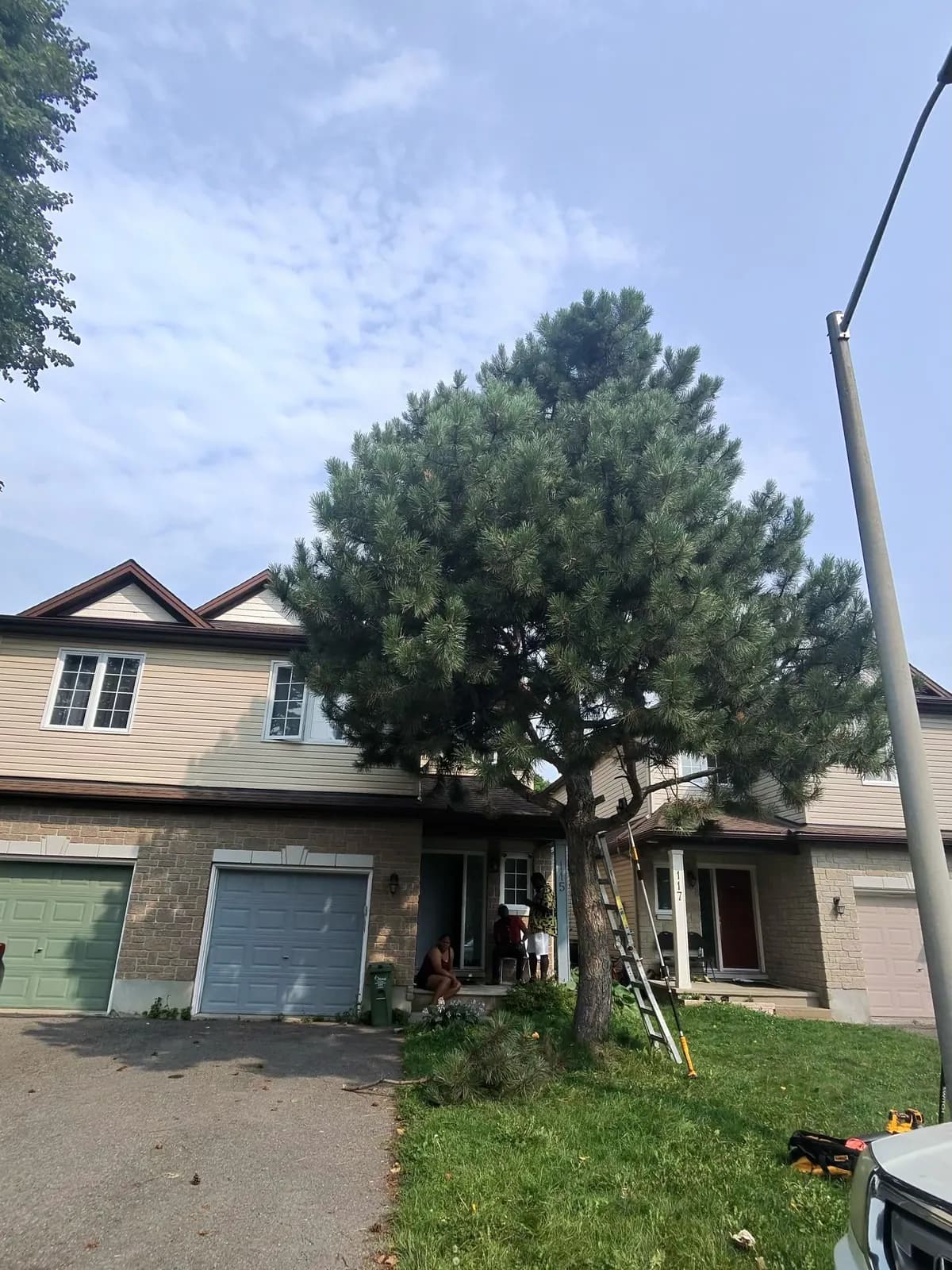
Risk depends on the tree and the target
A cavity, lean or dead branch does not have one meaning in every setting. The assessor considers the condition, likelihood of failure, what could be struck, how the target is used and the consequences. A similar branch over an empty woodland edge and over a busy entrance creates a different management question.
Recent storms, excavation, grade change, root cutting, construction, canopy loss and changes in occupancy are useful history. Share them before the inspection so the site context is not lost.
Choose the inspection level and deliverable
Some concerns can be addressed with a limited visual review from a defined vantage point. Others need a basic full-tree inspection, measurements, climbing, testing or another specialist. The scope should say what is and is not included before the assessment begins.
The deliverable may be verbal guidance, a short written summary or a formal report. If the result is for a municipality, insurer, lawyer, construction project or board, identify that use so the author and format can be confirmed.
Recommendations and residual uncertainty
Recommendations may include moving a target, restricting access, pruning, support, monitoring, further testing or removal. Each option has limits, inspection intervals and residual risk. A recommendation should explain why it fits the stated objective rather than presenting removal as the only professional outcome.
Living trees and weather change. Reinspection after a major storm, site change or observed deterioration may be necessary even before a planned interval.