Tree Health
Can You Take Tree-Removal Wood to the Cottage? Ottawa and Gatineau Checks
Decide where the logs will go before the tree-work quote. Firewood, ash branches and chips can have movement restrictions that a removal permit does not answer.
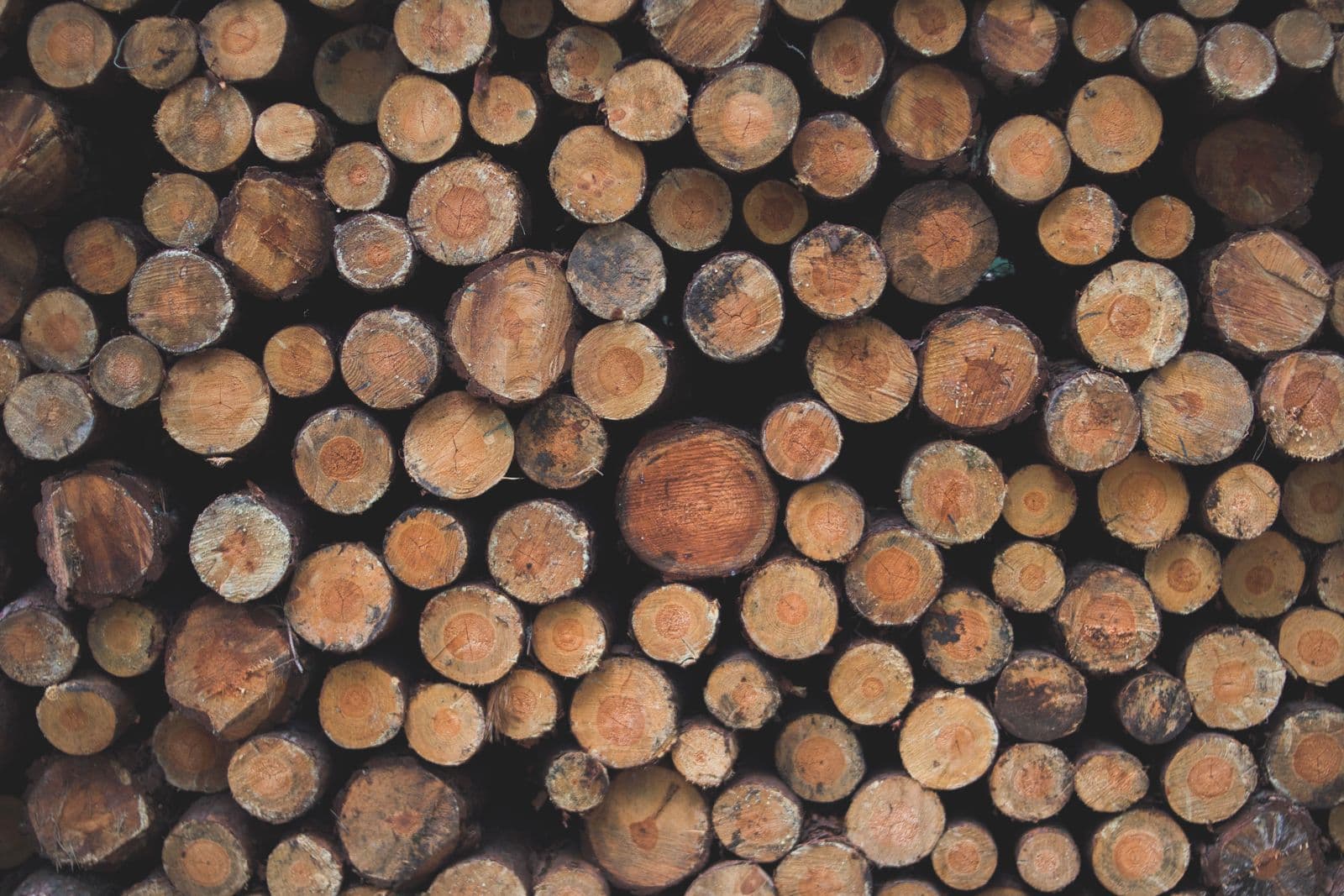
If you want the logs from a tree removal for a cottage, campsite or another property, check the movement rules before asking the crew to leave them for pickup. The Canadian Food Inspection Agency (CFIA) warns that untreated firewood can spread insects and diseases even over a few kilometres. Its advice is to buy and burn locally, not carry spare wood home.
For an Ottawa or Gatineau job, the useful question is where the material came from, what it is, and exactly where it will go. A short drive, a free pickup or a trip across the river is not enough information to clear the movement. Start with CFIA restrictions and any property-specific notice, then agree on a lawful handling plan. Do not load first and check afterward.
Start with the destination before keeping the logs
Tell the tree provider whether you want wood retained at the original property or taken elsewhere. If it will leave, give the destination address rather than saying 'the cottage' or 'somewhere nearby.' That lets the origin and destination be checked against the applicable restrictions before the quote promises a hauling route.
The CFIA's firewood guidance says invasive insects and tree diseases can live and travel in firewood. It specifically warns that moving untreated wood even a few kilometres to or from a campground or cottage can spread them. Keeping transport local is a prevention principle, not a universal distance exemption.
Do not infer that cut logs are clear of pests because the tree is already down. The CFIA identifies firewood as a pathway and notes that emerald ash borer can hide under bark. A homeowner's visual check is not a movement authorization.
Check regulated areas, not just the provincial border
The CFIA's emerald ash borer page lists Ottawa within the regulated Ontario area and describes extensive regulated areas in Quebec. Use its current map and written description for the actual addresses. Do not replace that check with an old local map or a rule that all Ontario-to-Quebec trips have the same answer.
For emerald ash borer, the CFIA says regulated items moving out of a regulated area must be accompanied by a CFIA Movement Certificate. Its firewood section is more specific: moving ash firewood out of a regulated area is prohibited, and non-ash firewood can only leave through facilities registered under the Emerald Ash Borer Approved Facility Compliance Program. Do not read the general certificate statement as a routine homeowner exemption.
A property can also have a Movement Prohibition Notice. The CFIA says such a notice stops movement of affected material from that location. A regional map alone therefore cannot settle every load, and checking emerald ash borer rules does not clear restrictions associated with another pest. If the answer is uncertain, use the local CFIA office contact route on the regulated-areas page before arranging transport.
Branches and chips need a disposal plan too
Calling a load brush instead of firewood does not resolve the question. The CFIA's regulated ash products include logs, branches, wood, bark, wood chips and bark chips. It also prohibits moving yard waste outside regulated areas because it may contain ash bark, branches or trimmings.
The same page tells residents to contact their municipality for current disposal information because affected municipalities may have special handling procedures. Ask what material a proposed destination accepts before booking a trailer or promising a delivery. Do not assume ordinary yard-waste collection accepts a whole removal load or that chipping alone creates permission to move it.
Put the agreed destination and responsibility for checking acceptance in the written tree-work scope. If that destination cannot accept the material, settle the replacement plan before hauling. Hungry Beaver can review the proposed material handling as part of a removal request; a quote does not override CFIA or municipal instructions.
Check before offering free firewood
A free-firewood listing hands the transport decision to someone else unless you resolve it first. The CFIA's ash-firewood restriction expressly covers private uses such as cottages and camping as well as commercial movement. Giving wood away is not a substitute for checking where it will go.
If you have already offered the logs, pause pickup while the route is clarified. Keep the origin, known species and any official notice available for the person checking the load. Do not advertise uncertain wood as pest-free or tell a recipient that a nearby address automatically makes collection lawful.
The CFIA advises buying firewood locally, asking where it came from and not taking it home afterward. For a cottage or camping trip, plan the destination's fuel supply separately from your tree-removal cleanup. This guide is not permission to burn retained wood: appliance requirements, local burning rules and any fire ban need their own check.
Keep removal approval and transport questions separate
This article starts with the material-handling decision. It does not determine whether a standing tree can be cut down, who owns it, or whether a crew can work near electrical lines. Resolve those questions separately before production work. A plan to use the logs does not establish a reason or permission for removal.
If the tree is damaged and there is injury, fire, a downed line or immediate danger to people, keep clear and call 9-1-1. Route electrical concerns to the utility and possible City-tree or public-route concerns to municipal 3-1-1. Do not approach suspended or unstable material to inspect potential firewood.
What to put in the tree-work request
Send the property address, the trees involved, safe photos and what you want done with each type of material. Say whether logs stay on site or leave, whether brush and chips are retained or hauled, and whether a destination has already been checked. Include any CFIA or municipal direction rather than summarizing it as 'approved.'
Ask the written quote to identify who checks transport restrictions and receiving-site acceptance, who hauls the material, and what changes if the intended route is unavailable. Log cutting, splitting, hauling and stump work should not be treated as one undefined cleanup line. These are scope questions, not a promise that Hungry Beaver offers every option.
- Origin address and exact proposed destination, if material will leave
- Known tree species and any pest finding or movement notice
- Logs, branches and chips to keep versus material to remove
- Receiving-site instructions and who confirms acceptance
- Separate stump and restoration requirements, if needed
Frequently asked questions
Can I take logs from my Ottawa tree removal to a cottage?
Do not load them until you have checked the origin, destination, material and applicable CFIA restrictions. The CFIA warns that untreated firewood can spread pests even over a few kilometres. Its ash-firewood restriction includes private cottage and camping trips, so personal use is not an exemption.
Can I move firewood from Ottawa to Gatineau?
The city names alone do not establish permission. Check the actual addresses against current CFIA regulated areas and any property-specific movement notice, then clarify the material and applicable pest restrictions. Do not treat either a provincial border or a short drive as a complete movement rule.
Are wood chips exempt from emerald ash borer restrictions?
Do not assume so. The CFIA lists ash wood chips and bark chips among regulated ash products and restricts yard-waste movement outside regulated areas. Confirm the material's handling and disposal route before it leaves the property.
Can I give the firewood away instead of paying for hauling?
A giveaway does not resolve transport restrictions. The CFIA's ash-firewood restriction covers private as well as commercial purposes. Check the recipient's destination and applicable requirements before offering pickup, and do not describe an uncertain load as pest-free.
Does a tree-removal permit authorize moving the logs?
Treat removal and material movement as separate checks. A municipal tree decision does not answer the CFIA questions about regulated material, origin, destination or a movement notice. Keep the relevant directions with the job scope before cutting or hauling is booked.
Sources
Rules and safety guidance can change. Check the current authority page before acting.
Send Hungry Beaver the Ottawa or Gatineau property details, safe photos, retained-wood preferences and any official handling instructions. We will confirm the next quote or site-visit step and what material handling belongs in the proposed scope.
Request a tree-work scope with material handling