Tree Health
Tree Roots Damaged During Ottawa Construction? What to Do Next
Excavation, fill and equipment traffic can affect roots without immediate canopy changes. Document the work, check City and utility roles, and get an assessment before more tree work.
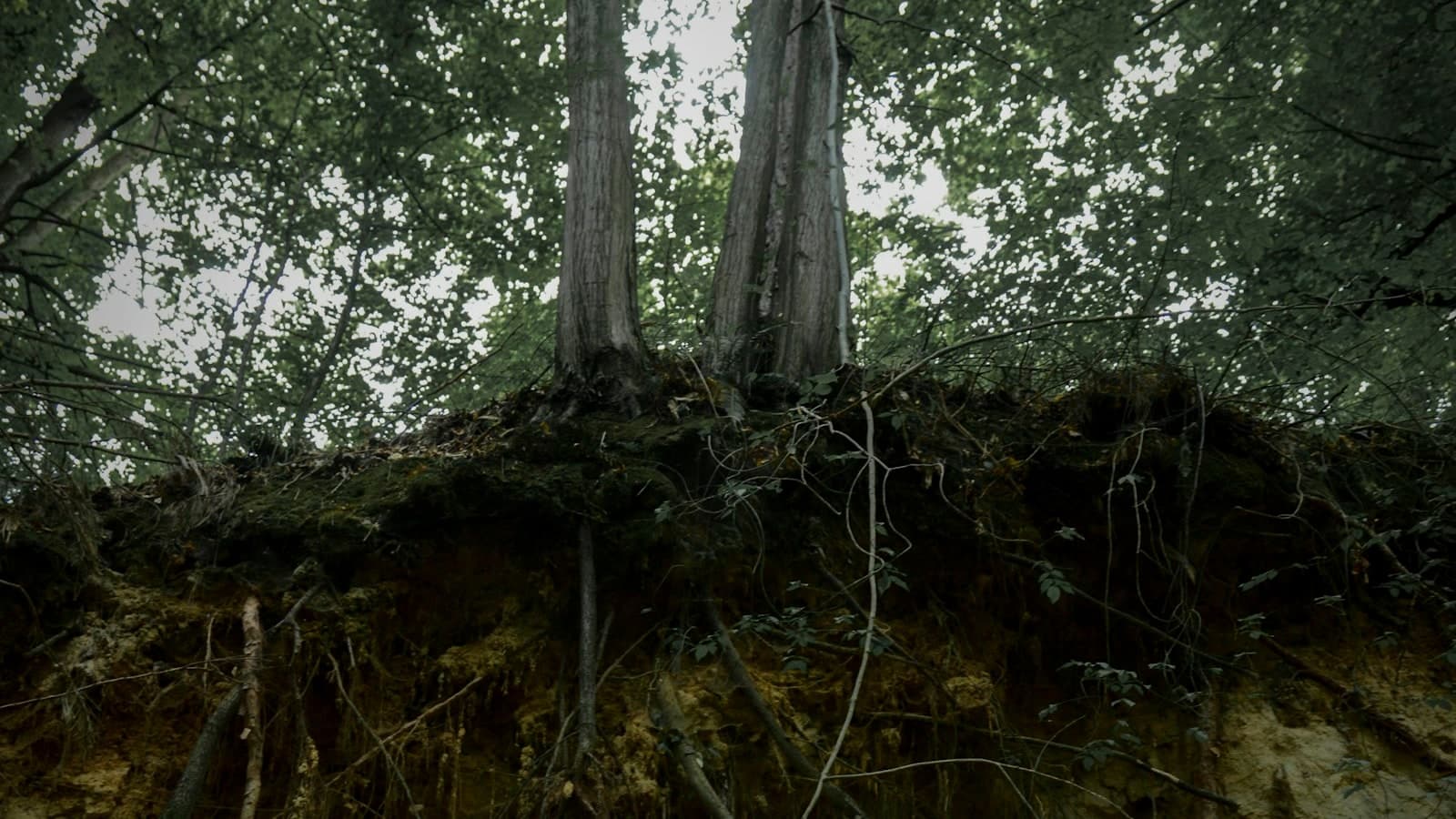
After excavation, grading or heavy equipment has disturbed the ground near a tree, the visible change may be only exposed roots or a patch of compacted soil. That is not enough to tell whether the tree was injured, how much was affected or what treatment is appropriate.
If work is still active, pause digging in the affected area while the site supervisor, utility and City requirements are checked. Keep people away from a new lean, split trunk, moving soil or electrical hazard. When the area is stable, record what changed and ask for a qualified assessment before anyone attempts a repair.
If work is still active, handle immediate hazards first
A downed wire or tree touching electrical equipment is not a routine tree-service request. Hydro Ottawa says never to approach an object touching a power line. For a downed line, assume it is live, call 9-1-1 immediately, then call Hydro Ottawa and stay at least 10 metres from it and anything it touches. Do not move a branch or approach the excavation for a closer look.
If excavation has damaged underground infrastructure, Ontario Dig Authority says to stop work, call 9-1-1 if there is immediate danger, notify the affected infrastructure owner and leave the excavation open for inspection. Do not cover the line or continue digging beside it while the damage is unresolved.
If more digging is planned, request a public utility locate before the work resumes. Ontario Dig Authority says to wait until every notified infrastructure owner has responded. Public locates do not cover every private service, so arrange a private locate if a privately owned line may cross the area. A utility locate answers a different question from tree-root protection.
- Downed wire or a tree touching electrical equipment: keep clear and follow Hydro Ottawa's emergency route.
- Damaged underground line: stop work and notify the infrastructure owner.
- Further excavation: wait for all locate responses and resolve private services separately.
Record what the construction changed
Record when the work happened and what changed near the tree: excavation or trenching, grade or fill changes, equipment or material storage, and any roots exposed or cut. Ask for the site or grading plan and keep City or utility instructions. Preserve the facts; do not estimate root loss or assign blame.
Take wide photos only from a place that was already safe. Include the whole tree, disturbed ground, work area and nearby targets. Do not climb, enter an excavation, move soil or approach wires for a closer image. Photos can help an arborist understand the history, but they cannot establish tree condition or cause.
- Property address and tree location
- Date and type of construction activity
- Plans, locate records and City or utility reference numbers
- Safe before-and-after photos, if available
- What changed in the soil, access area or tree after the work
Check Ottawa's tree-protection route before more tree work
Roots from a neighbouring tree may extend into your lot, Ottawa notes. Injuring a tree protected under the City's Tree Protection By-law is a contravention. A building or landscaping permit does not by itself authorize removal of a protected tree, and a removal quote does not authorize work on a City tree.
If the tree may be City-owned or removal is being considered, confirm the City route before authorizing follow-up work. Ottawa directs requests to remove a City tree to Forestry Services through 3-1-1. If ownership is unclear, use the ownership guide before treating the tree as private. For a possible permit question, follow the current City instructions for the actual property and tree.
A normal-looking crown does not rule out root damage
The International Society of Arboriculture lists compaction, severed roots, added fill and grade or drainage changes as construction damage. Its guide says decline can take years to become easy to see. University of Maryland Extension says root-damage symptoms may take months or years to progress.
When symptoms do appear, they may include thinning leaves, wilting, browning or branch dieback. Those signs are not a diagnosis and do not prove that construction caused the change. Keep a simple dated record and ask an arborist to assess the tree and site rather than trying to calculate damage from one visible root or a photo.
Ask for an assessment, not an off-the-shelf repair
A qualified arborist can review the tree, targets, construction history and inspection limits. The International Society of Arboriculture recommends assessing a construction-damaged tree's viability and risk. Ask what was observed, what remains uncertain and which decision the findings support.
Do not assume exposed roots should be cut, buried or treated one standard way. The ISA advises limiting fertilization immediately after construction damage and generally not reducing the canopy to compensate for root loss. Ottawa may also regulate work within a protected tree's critical root zone. Follow a site-specific plan and City direction.
If the tree or a part could affect people or property, request an Ottawa tree-risk assessment with the tree, targets, inspection level, time horizon and limitations defined. It can guide tree care; the City still decides permit questions.
Prepare a useful assessment request
Send the address, the tree's location, the date and type of work, safe photographs and any site or grading plan you have. Include what changed, whether excavation is continuing, what could be struck if the tree or a branch failed, and any City or utility instructions already received. Do not describe an unconfirmed diagnosis as a fact.
If future digging or removal is being considered, say so at the start. That lets the review separate the tree's condition from locate, ownership, permit and construction requirements. Keep the assessment and any later pruning or removal scope as separate decisions.
Frequently asked questions
Can a tree look healthy after construction damaged its roots?
Yes. A tree may show no immediate canopy change even after root or soil disturbance. The ISA says decline can take years to become easy to see, and University of Maryland Extension says root-damage symptoms may take months or years to progress. A normal appearance is not a complete assessment.
Should I cover exposed roots with soil?
Do not choose a treatment from a photo or general rule. The right action depends on the site, the roots, the construction plan and any City requirements. Ask the project arborist or City Forestry for direction before adding fill, cutting roots or changing grade.
Do utility locates tell me whether tree roots were damaged?
No. A public locate marks buried infrastructure owned by notified utility providers. Tree-root protection and assessment are separate questions. Arrange a private locate for private services that may cross the work area.
What should I do if construction damages an underground line?
Stop work immediately. Ontario Dig Authority says to call 9-1-1 if there is immediate danger, notify the affected infrastructure owner and leave the excavation open until it has been inspected. Do not cover or continue working around the damaged line.
Does a building permit mean I can continue work near a protected tree?
Not by itself. Ottawa says injury to a protected tree can contravene the Tree Protection By-law, and a different City permit does not replace the tree-protection process. Check the current City requirements for the property and tree before further work.
Sources
Rules and safety guidance can change. Check the current authority page before acting.
- City of Ottawa: Planning around trees
- City of Ottawa: Trees, plants and forests
- Hydro Ottawa: Outdoor and power line safety
- Ontario Dig Authority: Public utility locates
- Ontario Dig Authority: Damage reporting and locate FAQs
- International Society of Arboriculture: Treatment of Trees Damaged by Construction
- University of Maryland Extension: Damaged Tree Roots
Send the Ottawa address, safe photos, construction dates and any City or utility instructions. Before booking, confirm the intended use, inspection scope, limitations, author and deliverable. A photo cannot determine the cause of damage or replace City and utility directions.
Request an Ottawa tree-risk assessment