Tree Health
Planning a Patio or Fence Near Tree Roots in Ottawa? Check Before You Dig
Keep the tree in the plan before excavation starts. Check Ottawa's critical root zone, protection requirements, utility locates, and who must review a conflict.
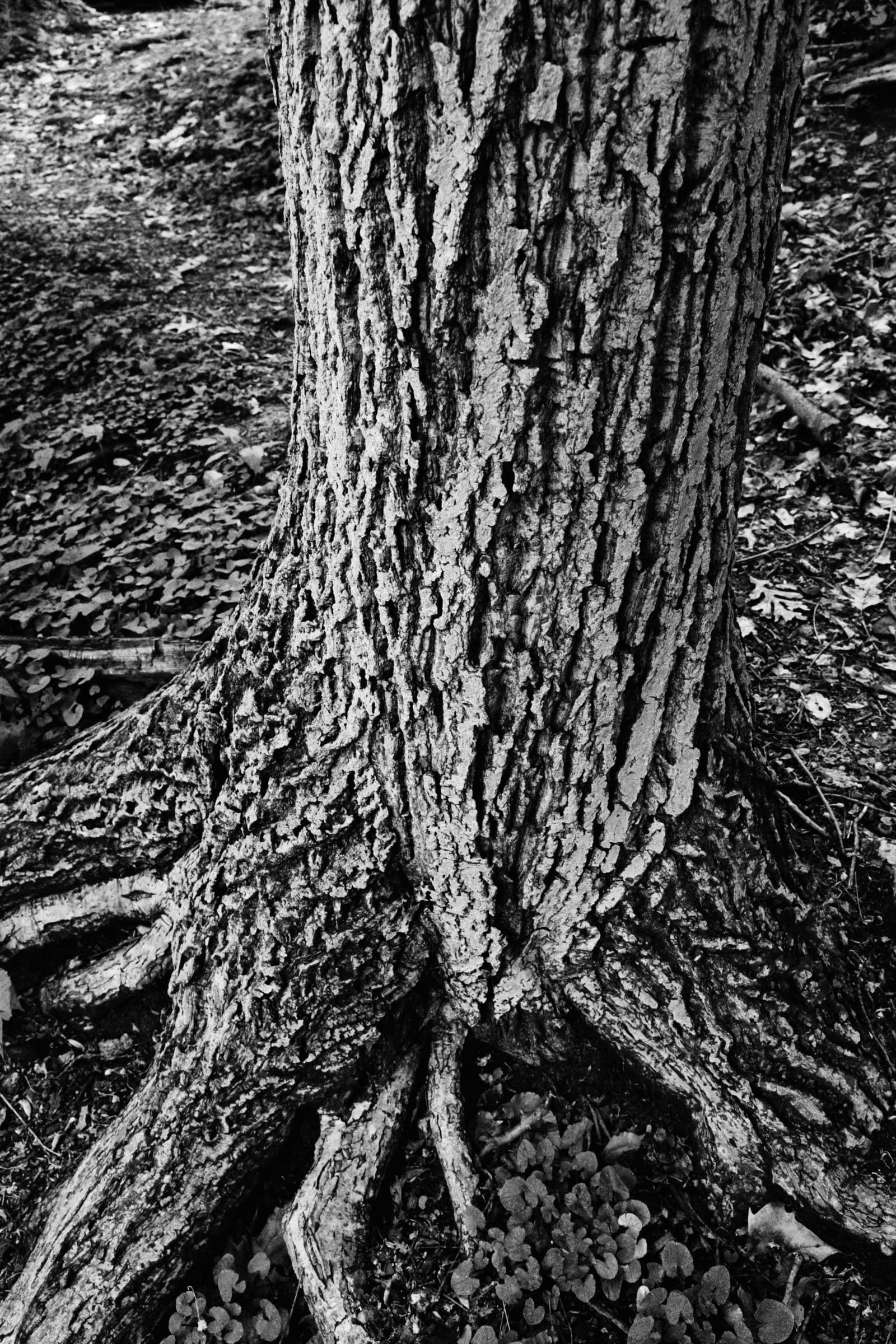
If your planned patio, fence posts, or equipment route comes close to a tree, settle the root-protection question before digging. Keeping the trunk standing does not mean the project cannot injure the tree. Ottawa tells owners to consider trees early, avoid excavation within the critical root zone of protected trees, and work with an arborist on any necessary mitigation.
Start with the layout, the trees on both sides of the property line, and the full area the work will disturb. If the plan conflicts with a protected tree, pause that part of the work and get the City and arborist requirements clear. A building permit, utility locate, or landscaping quote answers a different question. None should be treated as permission to damage roots.
Map the work area, not just the finished patio
Draw where the patio base will be excavated, where fence posts will go, and how people and machinery will reach them. Add material piles, temporary storage, grade changes, and any trench for services. A finished patio can miss the trunk while the construction route passes through the area that needs protection.
Include nearby trees on neighbouring land. Ottawa's tree-protection specification applies to retained trees both on the work site and on adjacent sites before tree removal or site work. A fence is not a reason to leave a neighbouring tree off the plan. If ownership is uncertain, resolve it before authorizing work; a private contractor cannot settle a boundary dispute or decide that a possible City tree is yours.
This is an Ottawa planning guide. Do not carry its root-zone formula or municipal process into a Gatineau project without checking Gatineau's requirements.
Use Ottawa's critical root zone as an early planning check
Ottawa defines the critical root zone, or CRZ, as 10 centimetres from the trunk for every centimetre of trunk diameter. The City measures diameter at 1.3 metres above ground for trees at least 15 centimetres in diameter, and at 0.3 metres for smaller trees. Its protection specification says to measure the zone from the outside edge of the tree base.
Use the City's measurement method rather than guessing from the canopy or measuring trunk circumference as though it were diameter. Ask the arborist to put the protection area on the project plan when the layout is close. The calculation is a planning check, not a guarantee that cutting outside a line cannot affect a tree.
The City recommends designing the project so that no protected tree needs removal and no digging or excavation takes place in its CRZ. If the initial layout conflicts, review a different patio edge, post location, or access route before choosing a work method. Do not cut roots first and request an opinion afterward.
Check tree protection even when the tree will stay
Ottawa's Tree Protection By-law applies to injury as well as removal. The City's general-information page lists protected trees that need a tree permit, including City-owned trees and some private trees based on diameter, property size, location, and planning context. The same page says private-tree pruning does not require a permit. Do not assume that exception covers root damage during construction; the City says injury to a protected tree can contravene the by-law, and its protection specification restricts root damage in the CRZ unless Forestry approves the plans.
A building, pool-enclosure, road-cut, or demolition permit does not by itself give permission to remove a protected tree. Check the tree requirements separately from the permit for the structure or other work.
If your project needs a formal tree document, confirm the receiving authority's requirements before booking a report. Send the actual plan and any City instructions. Hungry Beaver can review the request and confirm the next step; this article does not promise a particular report qualification, City approval, or construction method.
Protect the area before equipment and materials arrive
The City's tree-protection specification calls for fencing around the critical root zone before work activity within it, with protection maintained until the work is complete. The arborist determines the fence location on the plans, and City Forestry staff must approve the plan and constructed fencing before work begins under that specification.
The specification restricts material and equipment storage, changes to existing grade, root damage, and extension of hard surfaces within the CRZ unless City Forestry staff approve the plans. That matters for a patio: keeping an excavator away from the bark is not the whole requirement, and storing paving stones inside the protection area is not a harmless workaround.
If construction requires a smaller fenced area, the specification requires arborist-prescribed mitigation and City Forestry approval. It mentions possible protective materials and root care, but those are not a do-it-yourself recipe. Do not move fencing or lay down plywood and assume the conflict is resolved.
Arrange utility locates separately from tree protection
Ontario One Call changed its name to Ontario Dig Authority on October 1, 2026. The Authority says its operations, services, and responsibilities did not change. Its current instructions require a public locate before planting a tree, building a fence or deck, landscaping, or starting a larger excavation project.
For a single-address project, request a locate at least 5 business days before digging. Multi-address or larger projects need at least 10 business days. Wait until every notified infrastructure owner has responded, keep the markings visible, and request a new locate if the project changes. If a contractor is doing the excavation, confirm that they submitted the request and received all required responses.
Public locates cover buried infrastructure owned by participating infrastructure owners. Some services on private property are outside that system. If a gas line for a BBQ or pool heater, electrical line to a shed or garage, sewer, septic system, or security-camera line could cross the work area, arrange a separate private locate. Utility marks identify buried services, not tree roots or tree-protection limits. Share both the locate and tree plan with the crew. If branches near overhead electrical wires are also involved, use the utility safety route rather than treating the landscaping plan as permission to prune.
If work exposes roots where the plan did not anticipate them, pause that part of the job and seek the arborist's direction before cutting or changing the layout. If there is a downed power line, fire, injury, or immediate danger to people, keep clear and call 9-1-1 rather than continuing a routine quote conversation.
What to send before booking the tree review
Send the address, a sketch or project plan, safe wide photographs, and the intended excavation area. Include the equipment route and proposed storage space, not just the final dimensions. Say whether a neighbouring or possible City tree is involved and whether you already have municipal instructions or utility-locate information.
Ask the reviewer to identify what must change before the work can proceed and what the written deliverable will cover. Keep tree review, municipal approval, landscaping work, and any later pruning or removal as separate responsibilities in the quotes. If the project changes, recheck the protection plan before the crew follows the new layout.
- Property address, project drawing, and trees on or beside the work area
- Excavation, posts, grade changes, access, and material-storage locations
- Safe photos and known ownership questions
- City instructions, required report format, and utility-locate status
- Who will obtain approvals and stop work if the plan no longer fits
Frequently asked questions
Can I build a patio over tree roots in Ottawa?
Do not treat it as an automatic yes. Ottawa recommends avoiding excavation in the critical root zone of protected trees, and its protection specification restricts extending hard surfaces there unless City Forestry staff approve the plans. Have the layout reviewed before excavation or material delivery.
Can I cut a root to install a fence post?
Do not cut a root based on a utility mark or a fence layout alone. Check the tree's protection status and the post's location relative to the critical root zone. Ottawa's specification says to tunnel or bore when digging in the CRZ and not to damage roots unless City Forestry approves the plans. Have an arborist review the conflict before work starts.
Does my building permit cover tree work?
Not automatically. Ottawa says another City permit does not give permission to remove a protected tree. The City's information page says private-tree pruning does not need a permit, but that does not settle construction impacts or root damage. Check the tree requirements separately before excavation.
Do my neighbour's tree roots matter if I only dig on my side?
Yes. Ottawa's project guidance says neighbouring trees may have roots extending into your property, and its protection specification covers retained trees on adjacent sites. Include the tree in the plan and confirm the required protection before work starts.
How long before a fence or patio project should I request utility locates?
Ontario Dig Authority says to request a public locate at least 5 business days before a single-address project, or 10 business days before a multi-address or large project. Wait until all notified infrastructure owners have responded before digging. Arrange a private locate separately if private services may cross the work area.
Can I use utility-locate marks to decide where roots can be cut?
No. Utility locates and tree protection answer different questions. Follow the locate instructions for underground infrastructure and the tree plan for roots, fencing, access, and any approved mitigation.
Sources
Rules and safety guidance can change. Check the current authority page before acting.
Send Hungry Beaver the Ottawa property details, safe photos, proposed excavation and access areas, and any City requirements. We will confirm whether the request can move to a site visit or a defined written scope before tree work is booked.
Request a project-specific tree review