
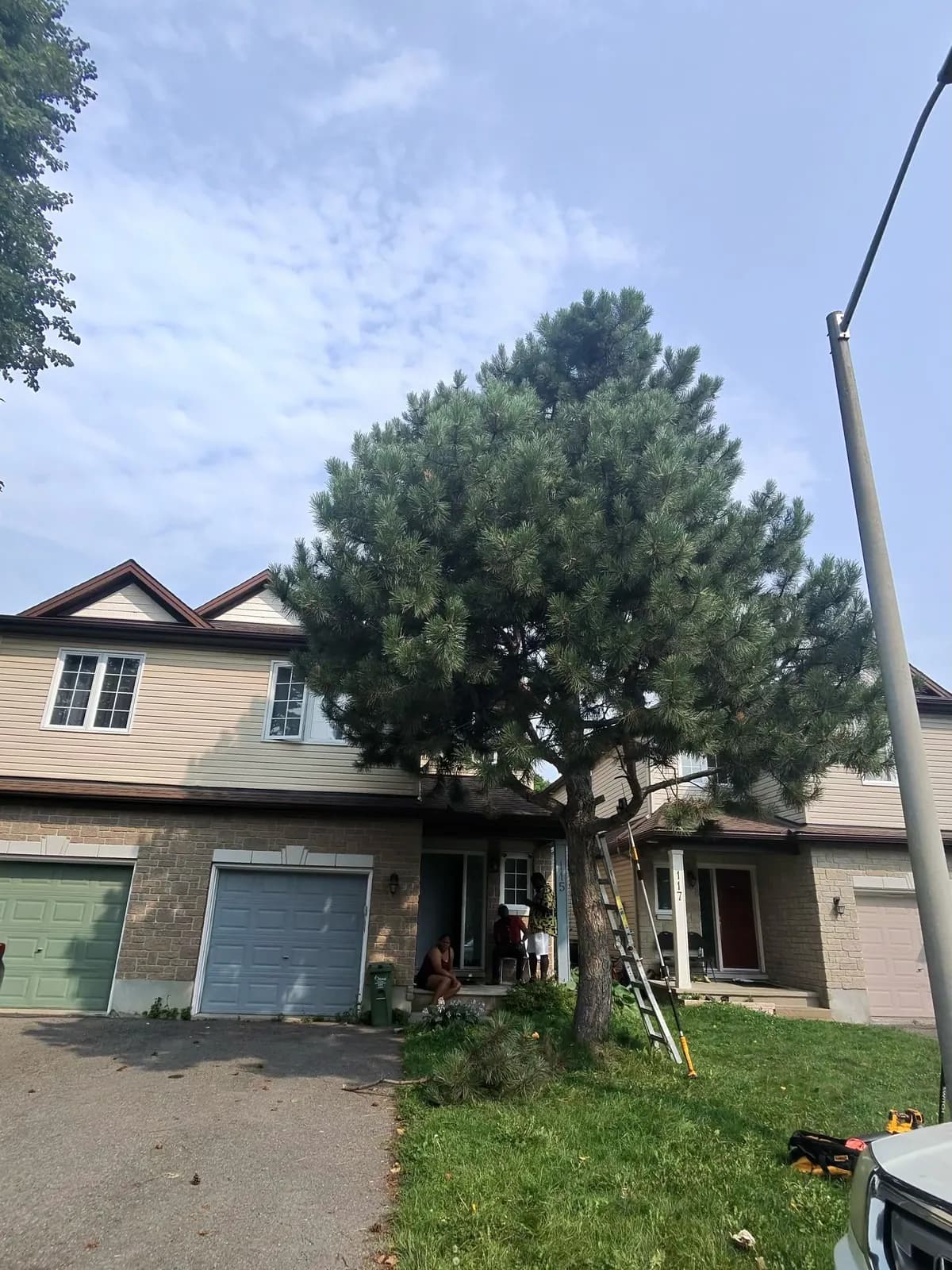
When an arborist consultation helps
A consultation is useful when you are unsure why a tree changed, whether pruning would achieve the goal, how a project may affect roots or which trees deserve priority. Begin with the decision you need to make rather than asking for a general certificate of health.
The arborist needs context: the tree, targets, recent construction or weather, changes you noticed, intended property use and any municipal or legal purpose for the opinion. A visual inspection has limits, especially where roots, internal wood or upper crown features cannot be seen.
Consultation, risk assessment and report are different
A general consultation may end with verbal or short written recommendations. A tree-risk assessment defines targets, inspection level, time horizon and deliverable. A formal arborist report may need measurements, photographs, plans, author qualifications and a format accepted by a municipality or project team.
Tell us who will use the result. That prevents a simple visit from being mistaken for a permit report, legal opinion, appraisal or guarantee that a tree is safe.
What to prepare
Share the address, number of trees, concern, important targets and desired decision. Include any City correspondence, survey, development plan or previous report that affects the question. Keep original documents intact and identify deadlines early.
Recommendations for pruning, removal, support or monitoring can be priced separately so you can see the professional opinion and the proposed work as distinct decisions.